

Toy Synths: Tiny Machines, Big Inspiration

Toy synths can be full of unexpected sounds, quirks, and creative limitations that can lead to something totally unique. From dusty old Casios to modern pocket synths, toy synths have an uncanny ability to bring nostalgia, weirdness, and experimentation into a composer’s toolkit.
The Different Kinds of Toy Synths (and What You Can Do With Them)
1. Vintage Consumer Keyboards (Casio, Yamaha PSS, Bontempi, etc.)
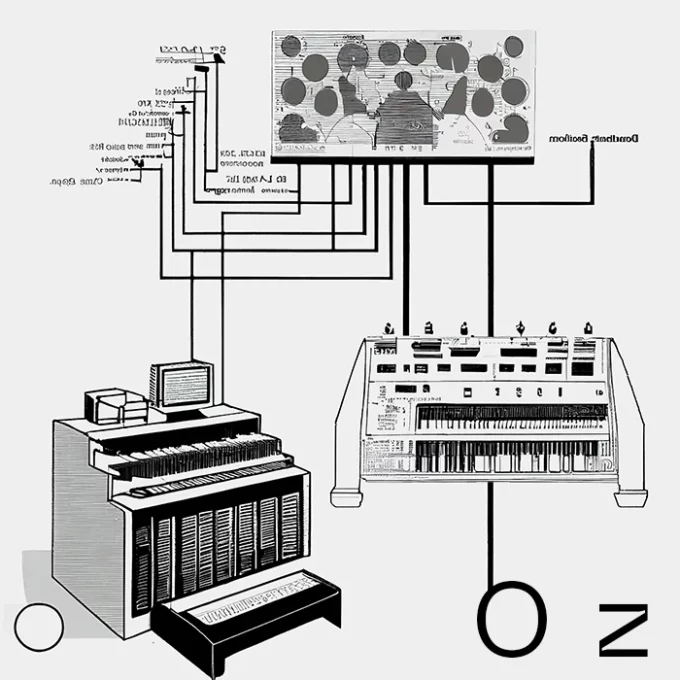
If you grew up in the ’80s or ’90s, chances are you messed around with a cheap Casio or Yamaha keyboard at some point. These mass-market instruments weren’t exactly designed for professional use, but that’s what makes them so fun. Their thin, digital tones and stiff drum loops have a charm all their own. And when you run them through effects, they can become lush, dreamy, or just plain weird.
How to use them:
- Turn their lo-fi tones into warm, nostalgic pads
- Chop up their drum loops for a retro, offbeat groove
- Layer them with high-end synths for contrast and texture
2. Speak & Spell and Circuit-Bent Toys
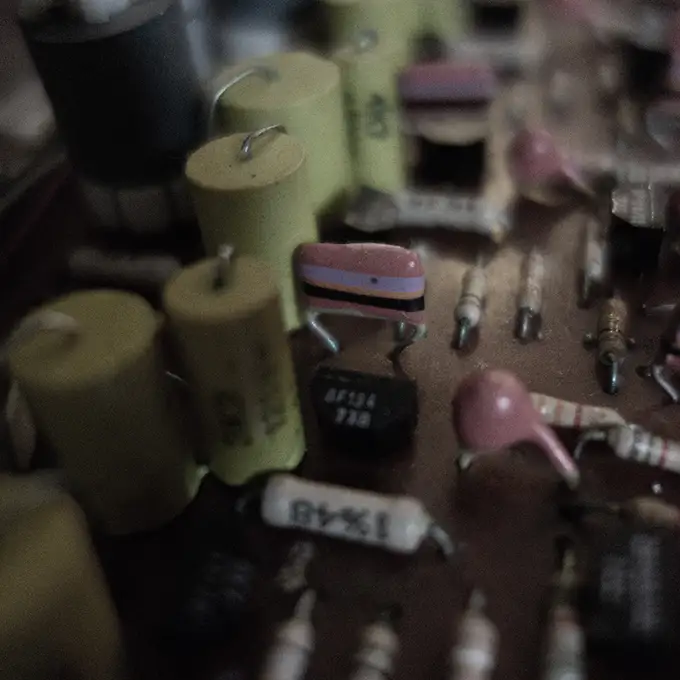
organ gutz
Circuit bending is all about taking cheap electronic toys and rewiring them to create glitchy, unpredictable sounds. The Texas Instruments Speak & Spell is a favorite—it was designed to teach kids how to read, but with a few tweaks, it can spit out alien voices and strange, warbling loops. The best part? You never quite know what you’re going to get.
How to use them:
- Sample their glitched-out voices for weird vocal textures
- Create eerie sci-fi soundscapes from accidental loops
- Use their unpredictable noise as a foundation for experimental beats
3. Mini Analog Synths and Pocket Synths (Korg Monotron, Teenage Engineering Pocket Operators, Stylophone)
Tiny but mighty.
Not all toy synths are old-school. Some modern mini synths, like the Korg Monotron or Teenage Engineering Pocket Operators, are deliberately designed to be small and playful, but they pack some serious sonic power. The Monotron has a real analog filter, while Pocket Operators are like miniature grooveboxes that fit in your hand. And then there’s the Stylophone, famous for its wobbly, stylus-controlled leads.
How to use them:
- Add quirky, imperfect melodies to a track
- Make quick, portable beats on the go
- Process their raw sounds into massive, otherworldly textures
4. 8-Bit and Chiptune Synths (Game Boy LSDJ, Bastl Kastle, Korg NTS-1, Gakken SX-150)
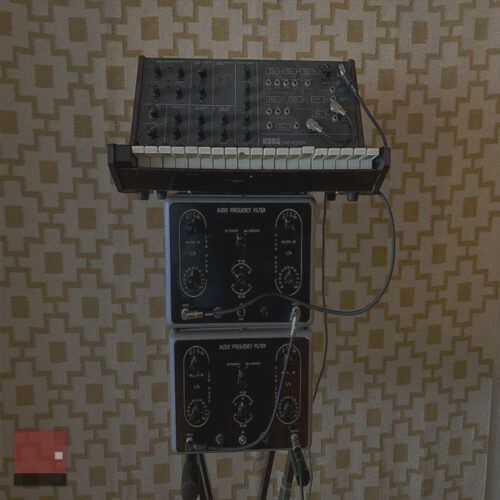
korg ms10 vintage synthesizer
If you love the sound of old-school video games, there’s a whole world of chiptune synths out there. A Game Boy running LSDJ (Little Sound DJ) turns into a full-fledged music workstation, while the Bastl Kastle is a patchable mini synth that makes noisy, glitchy goodness. These synths are perfect for precise, bleepy melodies or raw, distorted sound design.
How to use them:
- Build catchy, rhythmic loops with a Game Boy sequencer
- Layer chiptune sounds with real instruments for a futuristic-retro mix
- Use glitchy, unstable waveforms for aggressive, cutting-edge beats
5. DIY and Handmade Synths (Ciat-Lonbarde, Bastl Instruments, Teenage Engineering OP-Z DIY kits)

Some of the coolest toy-like synths out there are completely handmade or DIY kits. Ciat-Lonbarde makes wooden, touch-sensitive synths that respond in weird and wonderful ways, while Bastl Instruments and Teenage Engineering encourage musicians to build their own sounds. These instruments often don’t work like traditional synths, which makes them great for breaking out of musical ruts.
How to use them:
- Let go of control and see where the instrument takes you
- Use randomness and imperfection as a compositional tool
- Create sounds that no one else has because your instrument is one of a kind
You Should Own a Toy Synth!
In a world where everything is getting cleaner and more digital, sometimes the most exciting music comes from the unexpected crackles of a cheap plastic keyboard or the unpredictable glitches of a rewired toy.
Updating…